Education Futures
The opening session of a Europe INSIGHT study visit to Copenhagen for TETOS and a group of Polish education leaders, giving them a lens for the week ahead.
Challenge
A delegation of education leaders brought together by TETOS came to Copenhagen for a study visit through schools, universities and companies. A week like that can easily become a series of impressive rooms and good coffee, where each stop makes sense on its own and the week as a whole stays loose.
What the group needed first was a lens. Something that would let them see the Nordic practices ahead of them as answers to wider forces, give them sharper questions to bring into each meeting, and put the shifts they keep hearing about, AI above all, into a longer view of what education is for. So the opening session had to do two jobs: say something substantial about where education is heading, and hand the group tools they could carry through the rest of the trip.
Approach
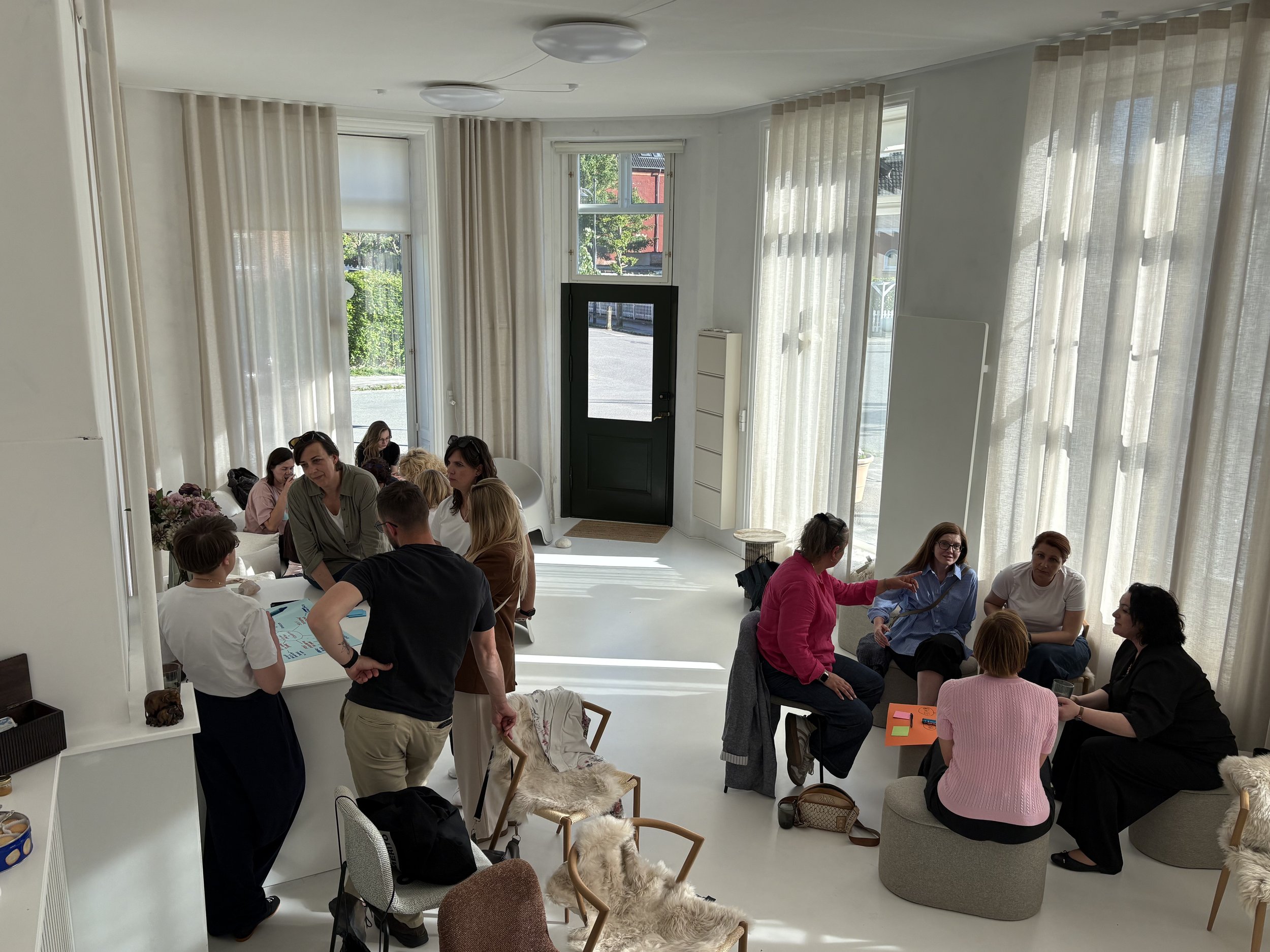
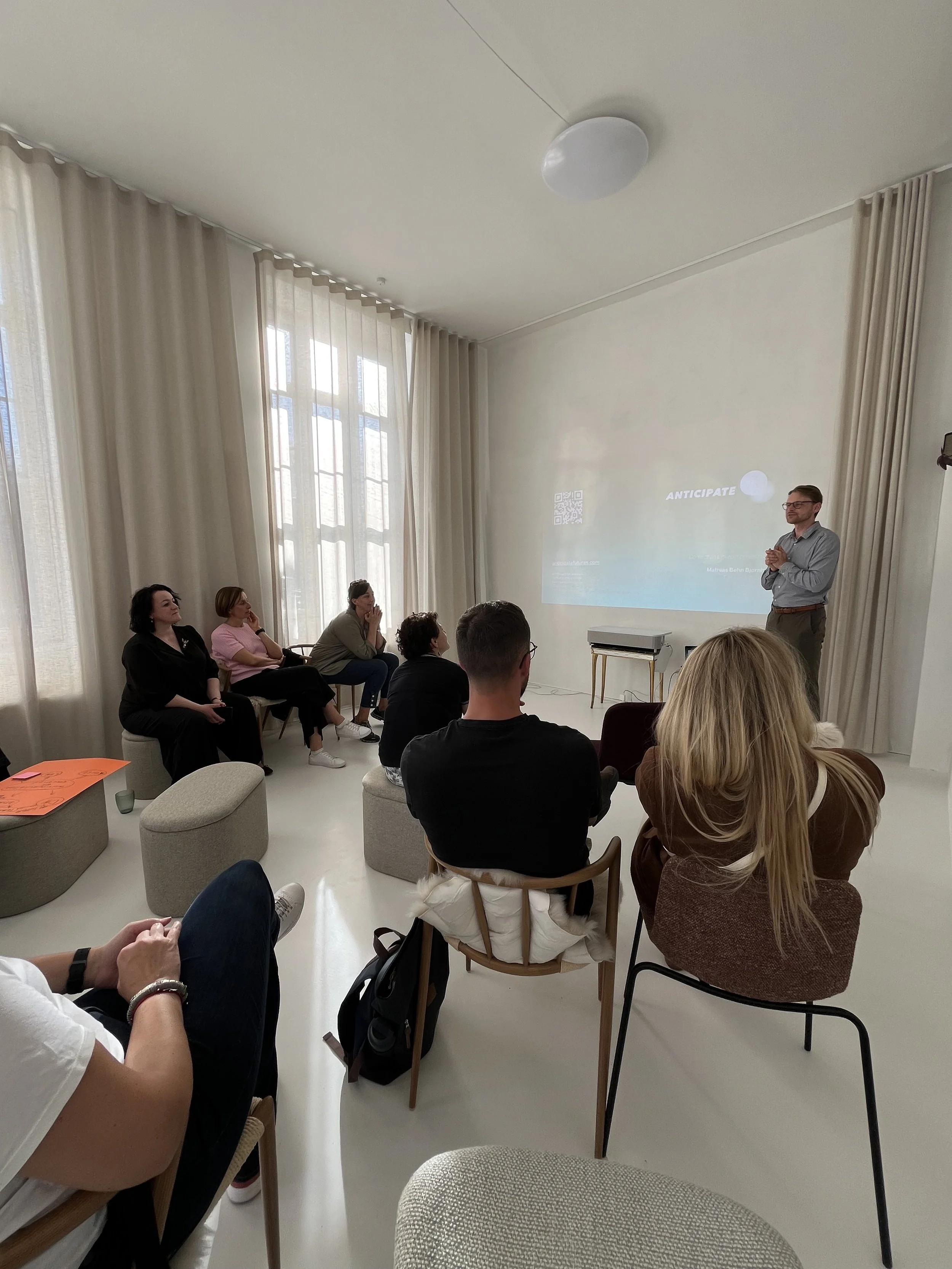
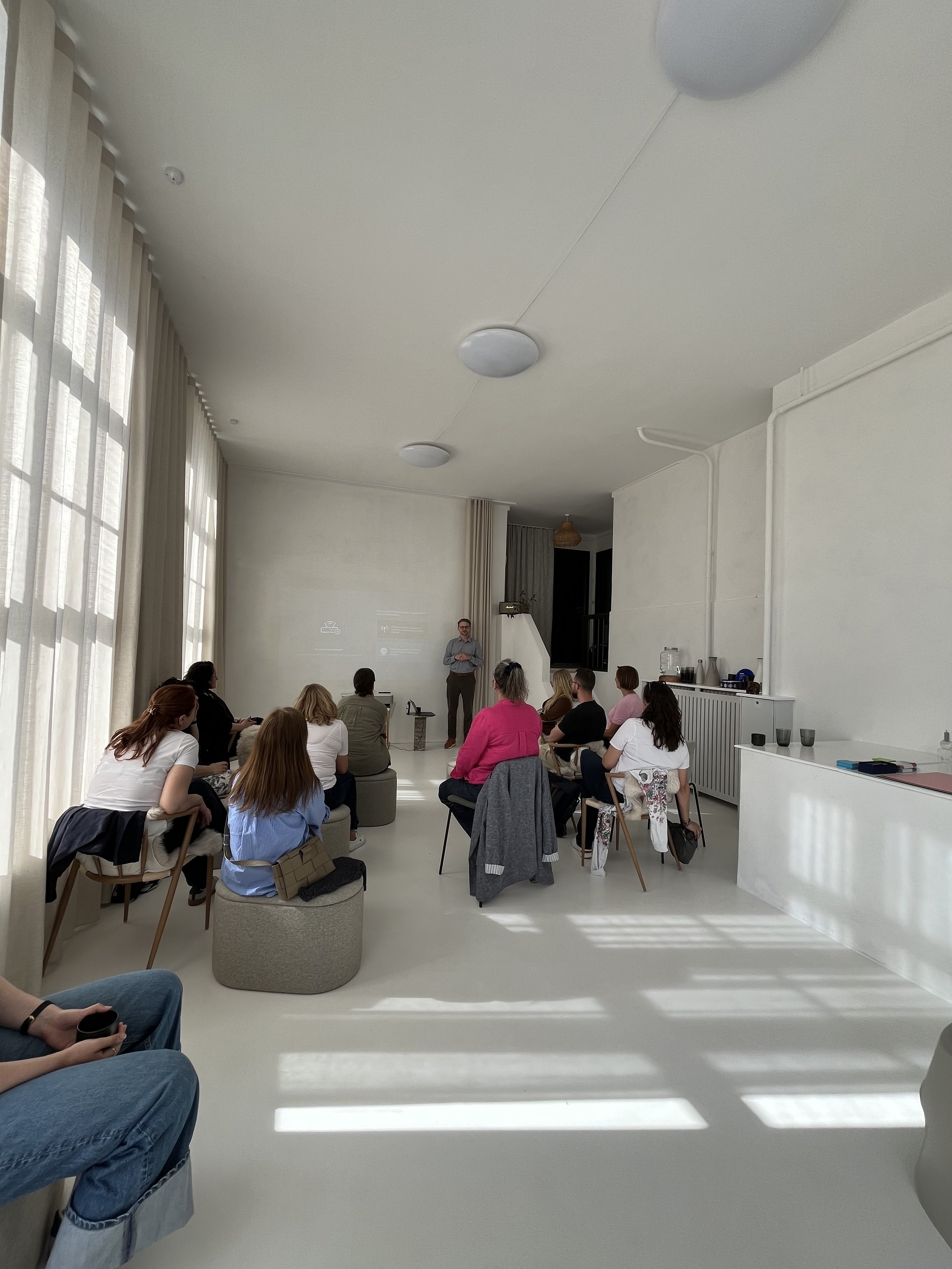
We ran the session at Creation Studio as the first item on their agenda, and designed it to move from signals of change into the group's own thinking about implications.
1) Signals from the edges of education
We opened with six signals of change for education, curated by Katrine Færch Bælum, covering the widening split in how AI lands across STEM and the humanities, the mismatch between academic pathways and the skills labour markets are short of, AI arriving in school mental health support, human teaching as a possible new privilege, the weakening promise of the degree, and sustainability moving from elective to baseline skill.
2) Megatrends translated into higher education
From there we worked through the ANTICIPATE Megatrends and what each could mean for higher education, from collaboration across borders and cities as living classrooms, through wellbeing, liquid identities, synthetic worlds and co-creating with intelligence, to sustainability as a design imperative and questions of access and inequality.
3) A futures wheel in groups
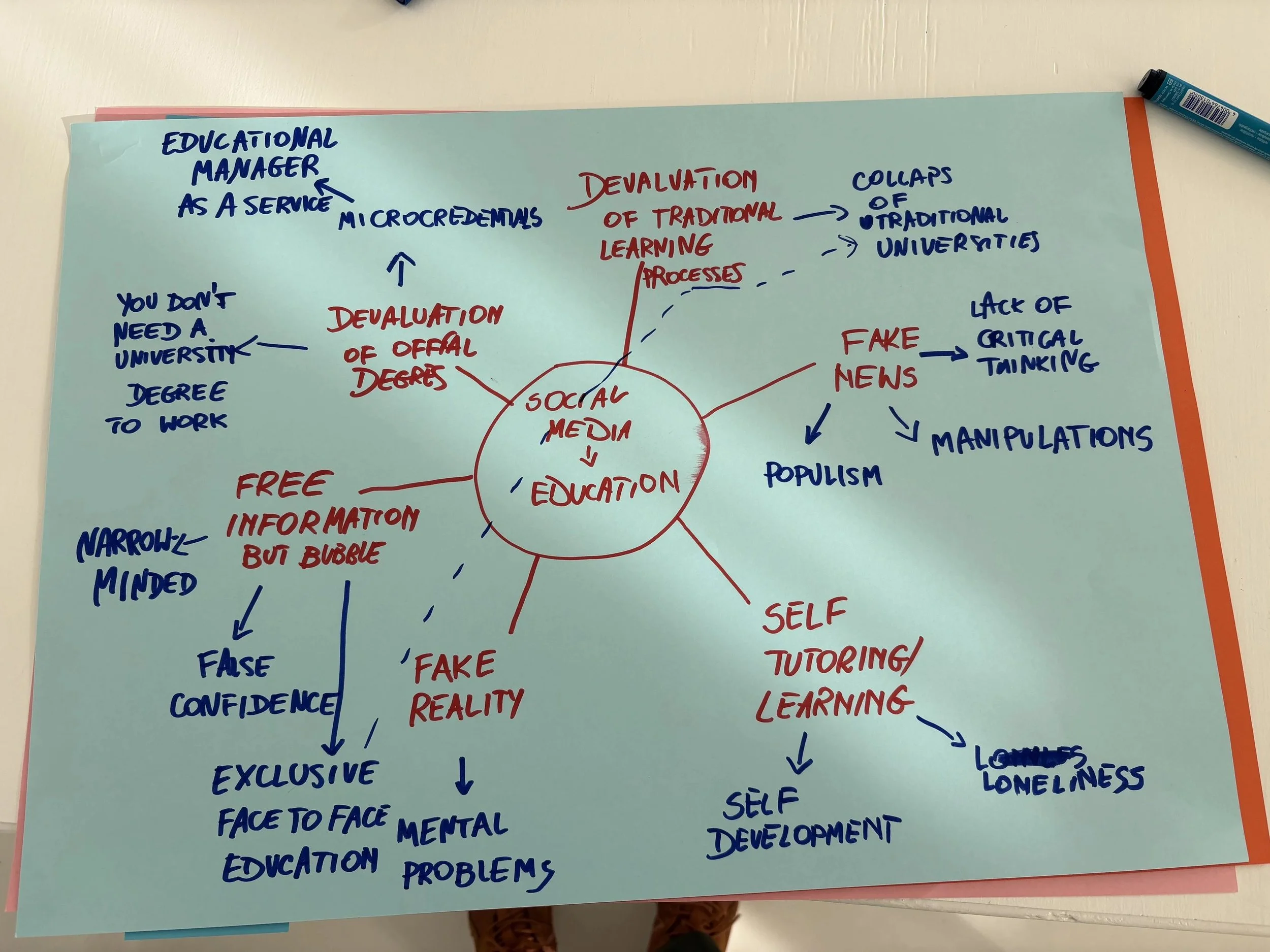
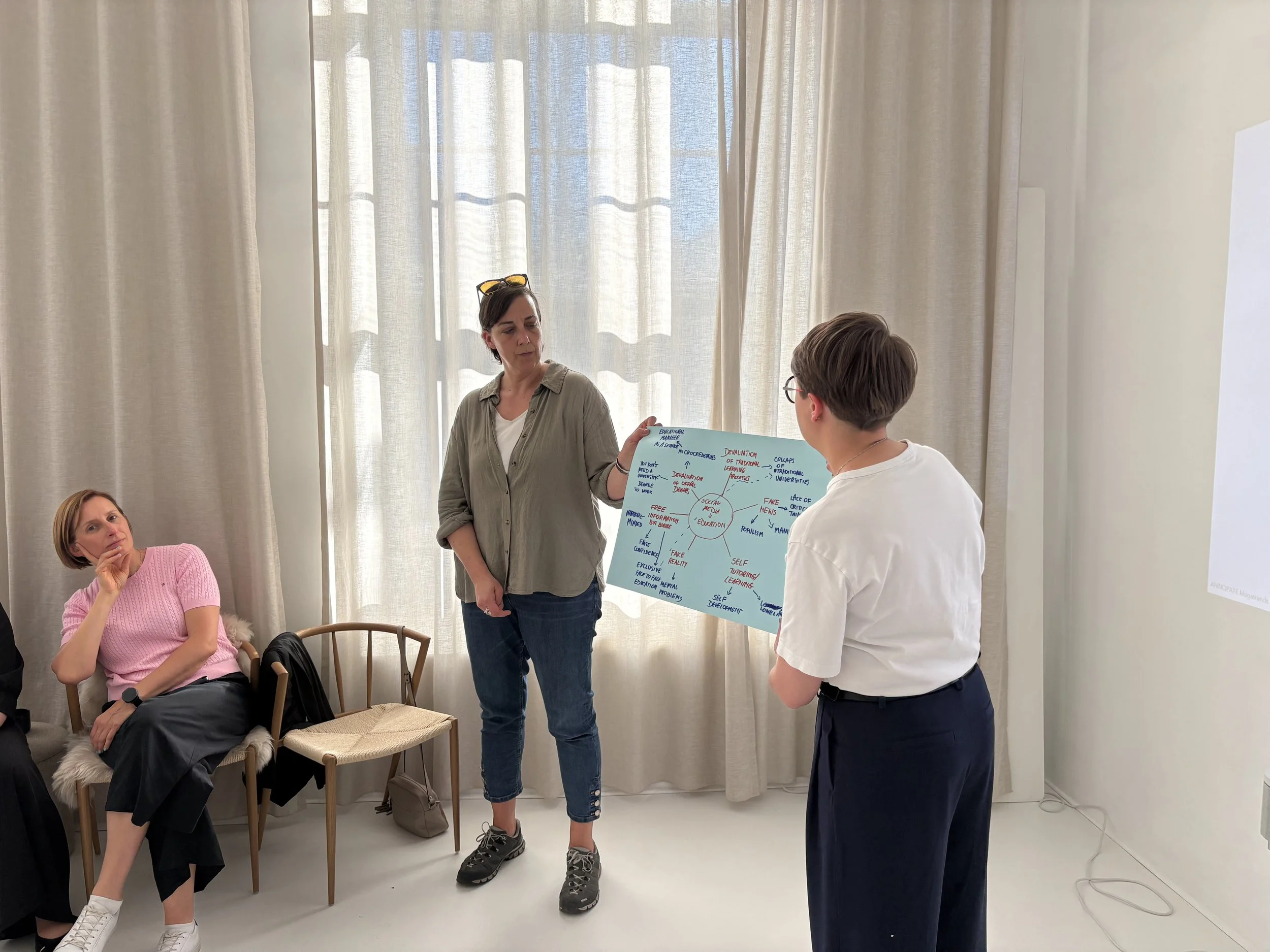
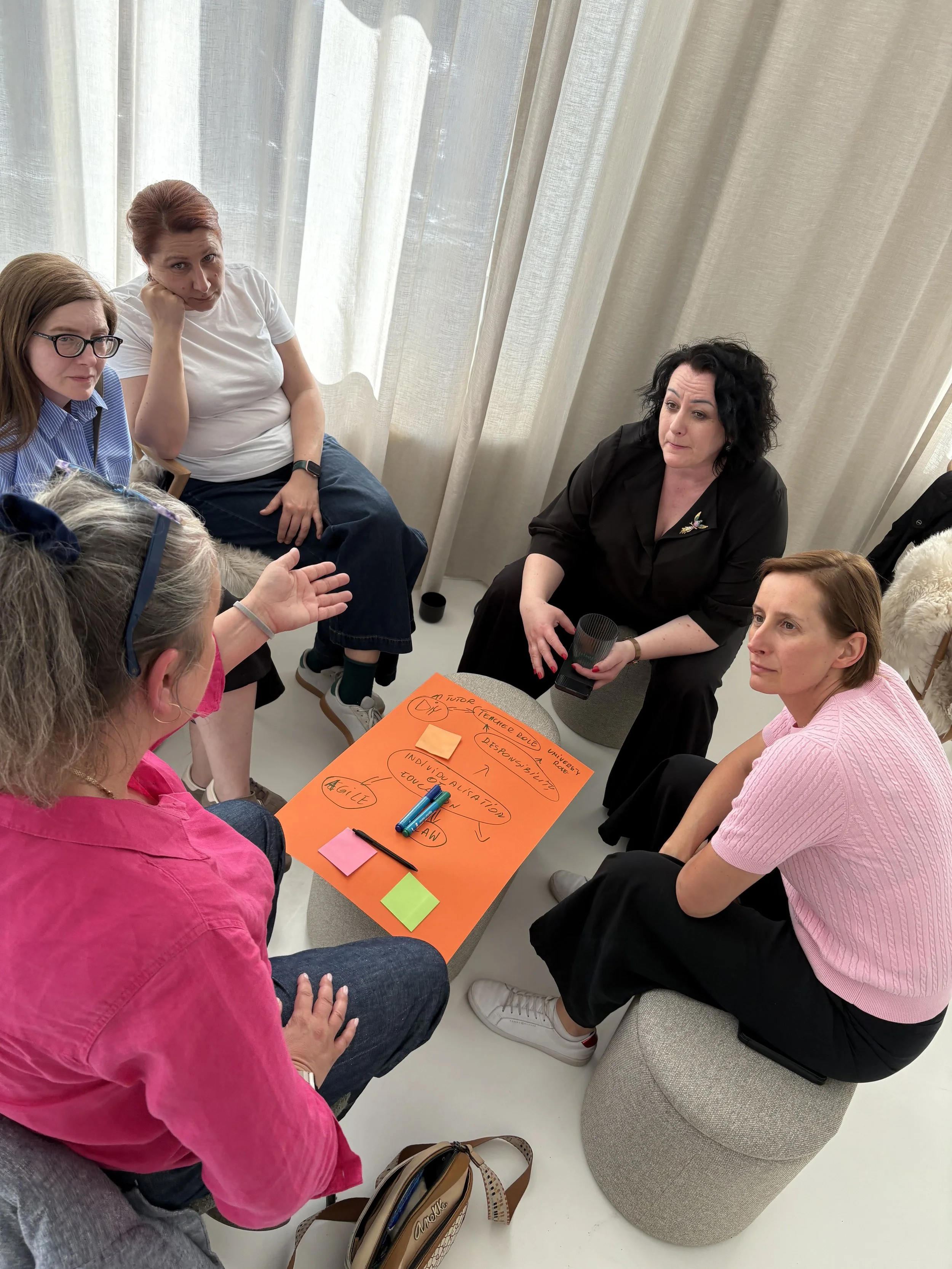
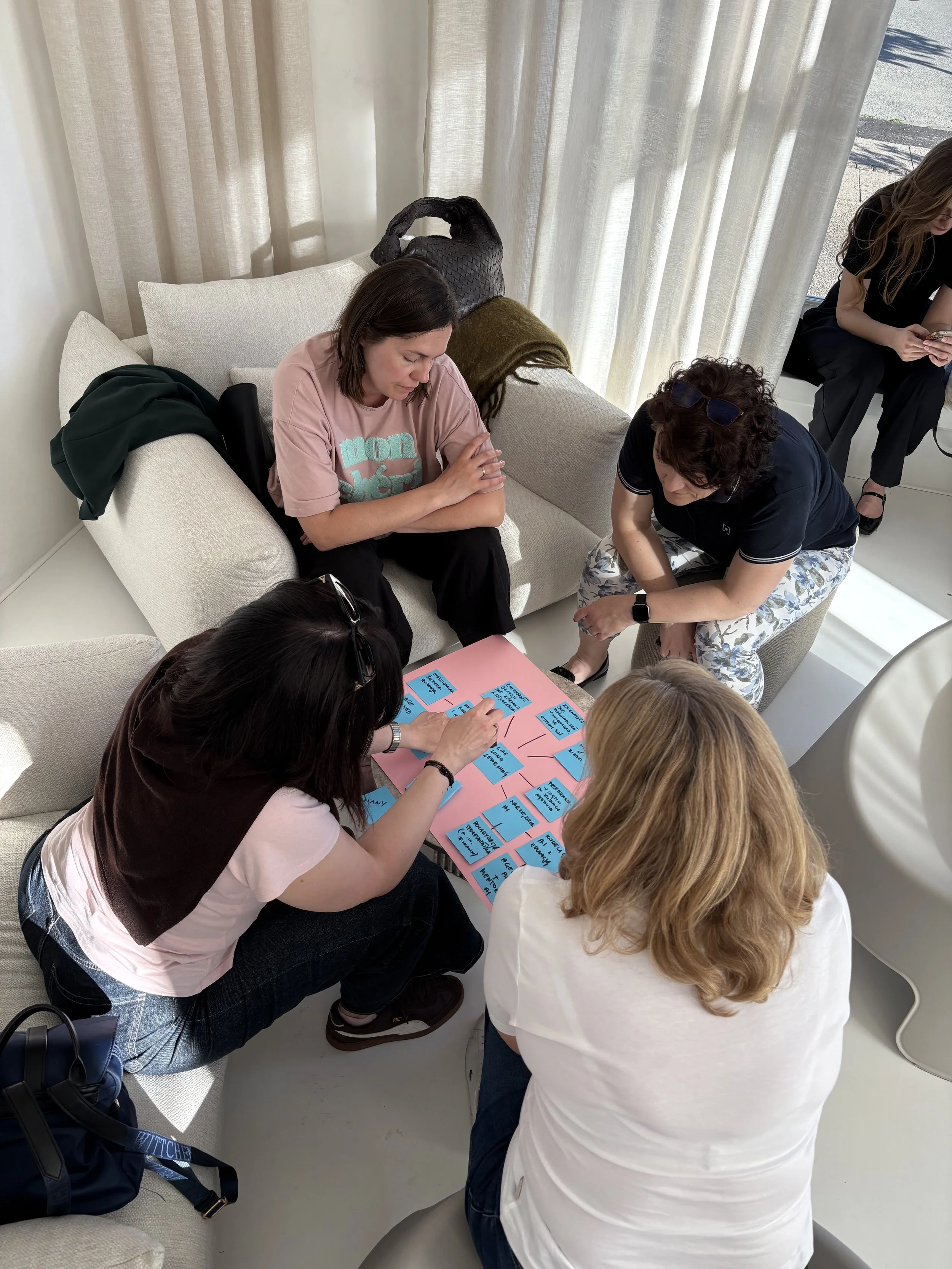
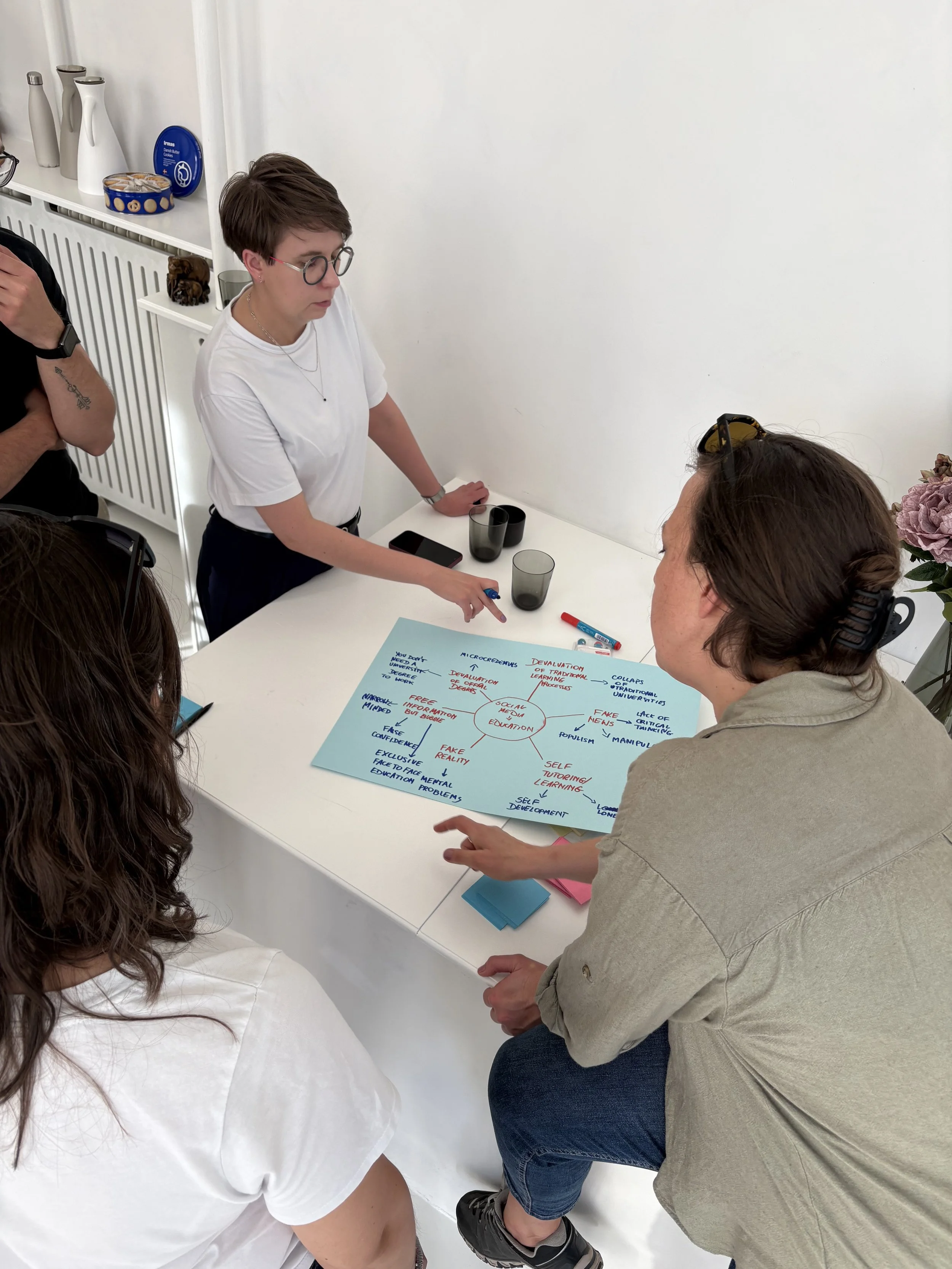
The groups then took a change shaping education and mapped its consequences outwards, first order, second order and third, using the studio space to spread the work out properly. Rather than settle on what will happen, the exercise builds the habit of following a change through to the tensions and opportunities it creates further down the line.
4) Dannelse as a provocation
Running underneath the session was the Danish idea of dannelse, education as the shaping of a whole person and a citizen rather than the transfer of what to do. It gave the group a way to talk about purpose, and a useful counterweight to a conversation that might otherwise have stayed on tools and technology.
5) A session that held without its slides
Copenhagen's Royal Run had closed streets across the city, so the group arrived in waves, and a flipped switch took the projector out just as we were ready to start. We ran the session without slides and kept the programme moving. The room stayed open and engaged throughout, which says something about both the group and the value of designing sessions around discussion rather than decks.
Outcomes
1) A foundation for the visits that followed
The group went into their site visits with a common vocabulary and a set of forces to test what they saw against, which turns a series of visits into one line of enquiry across the week.
2) A conversation that reached past AI
AI came up early, as it does, and the groups moved on from it to motivation, belonging and legitimacy, and to what education is for when the path from degree to job to stability feels less dependable.
3) A wider view of competition
Higher education competes with more than other institutions. Attention, fatigue and the many other things a person could do with their evening all belong in the picture, which opens a more useful strategic conversation than league tables allow.
4) Implications the group traced themselves
Working the futures wheel in groups gave participants a method they can reuse at home, and a first set of consequences to bring into their own institutions.
Testimonial
Get in touch
Step into the futures with our Futures Workshops & Immersions!
Step into the futures with our Futures Workshops & Immersions!
Themes