Sustainability Futures Field Trip, Amsterdam
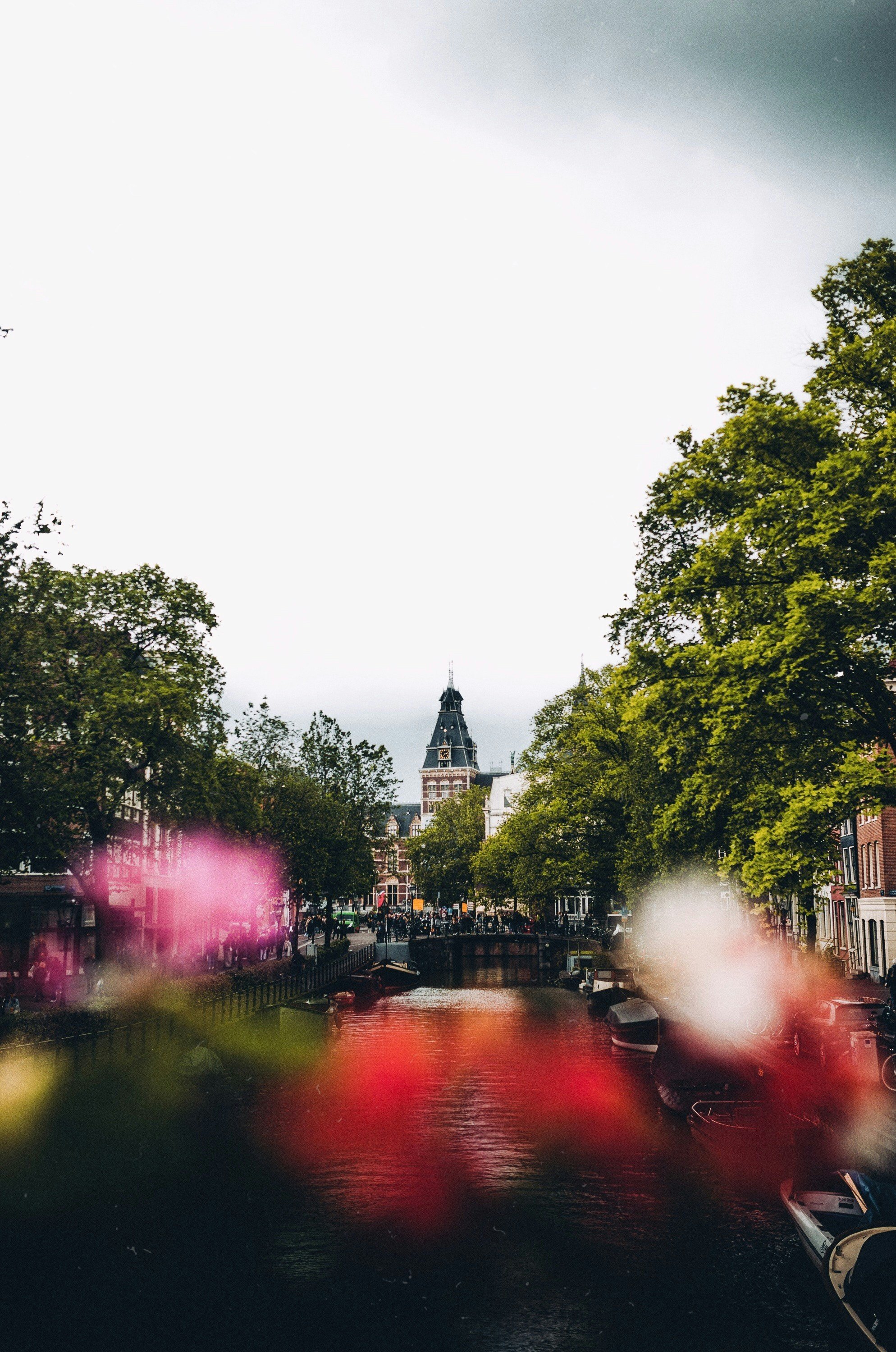
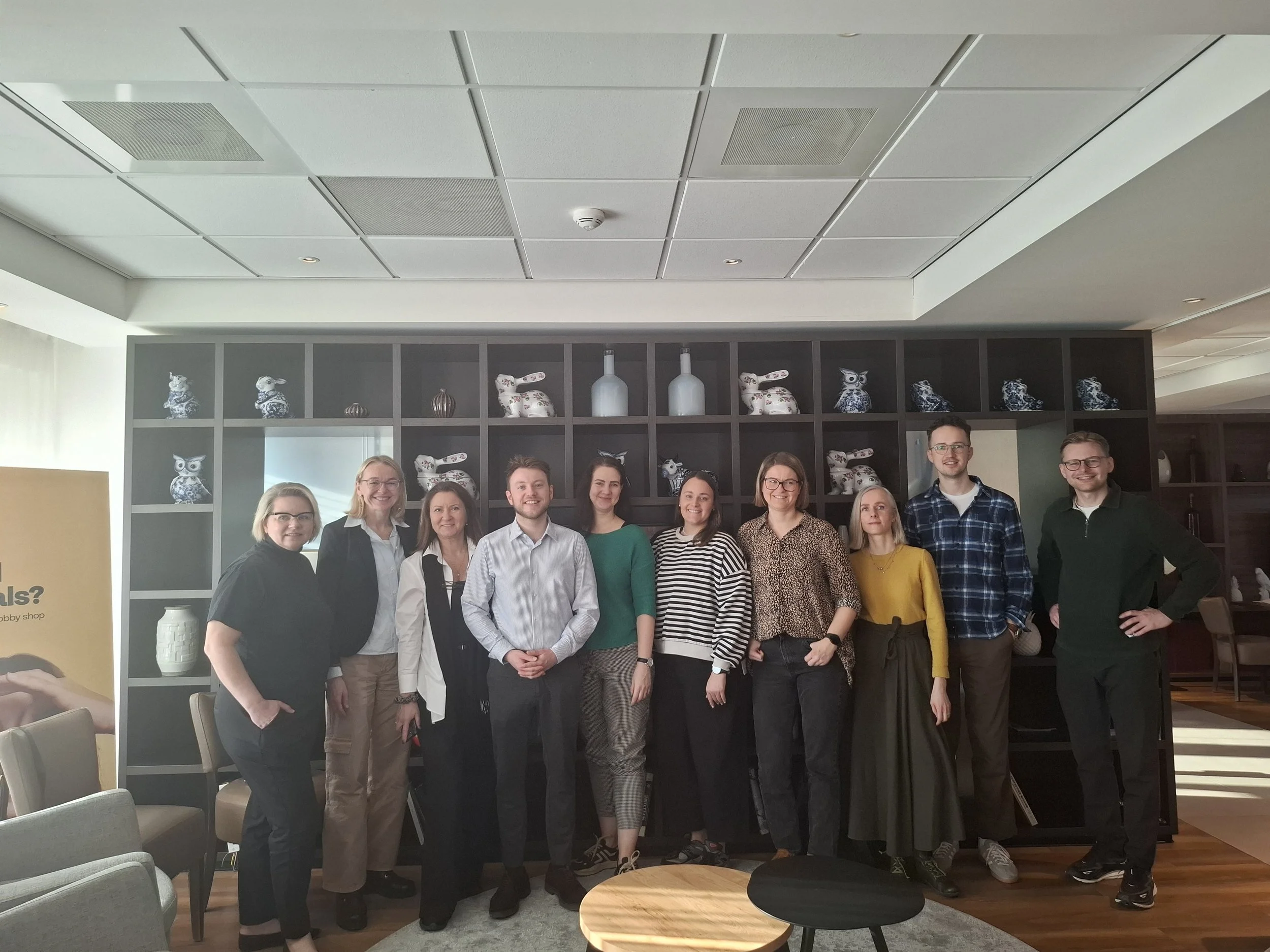
Futures Field Trip for group of Lithuanian educators and sustainability professionals together with Agenda50
An immersive learning journey in sustainability, urban transformation, and futures thinking
Challenge
Sustainability is no longer a single discipline. It’s a moving landscape of policy shifts, circular experiments, infrastructure choices, cultural values, and new forms of collaboration. For many professionals, the hard part is not “knowing the agenda”, but seeing how change actually plays out on the ground, and how different actors make trade-offs in real time.
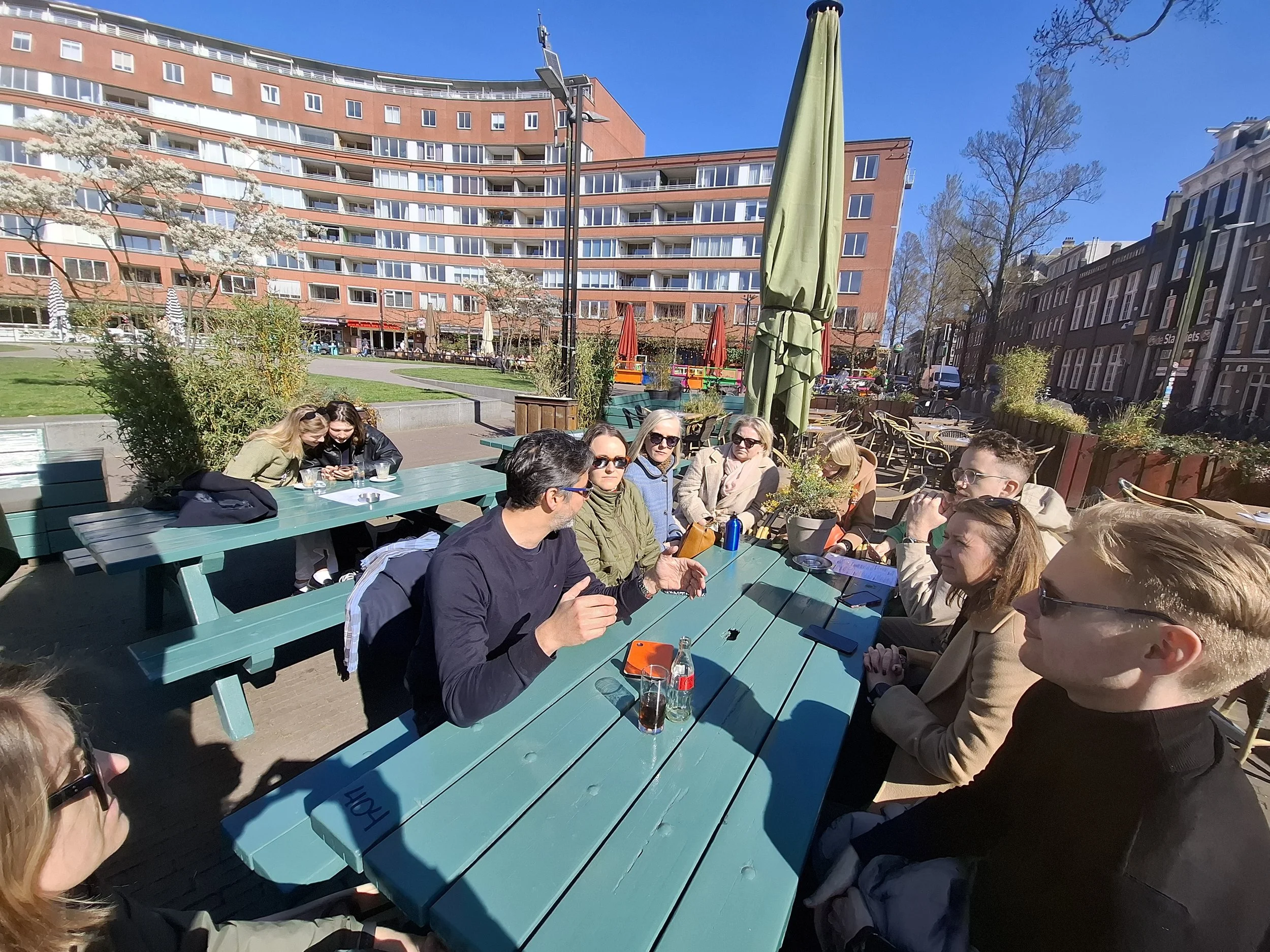
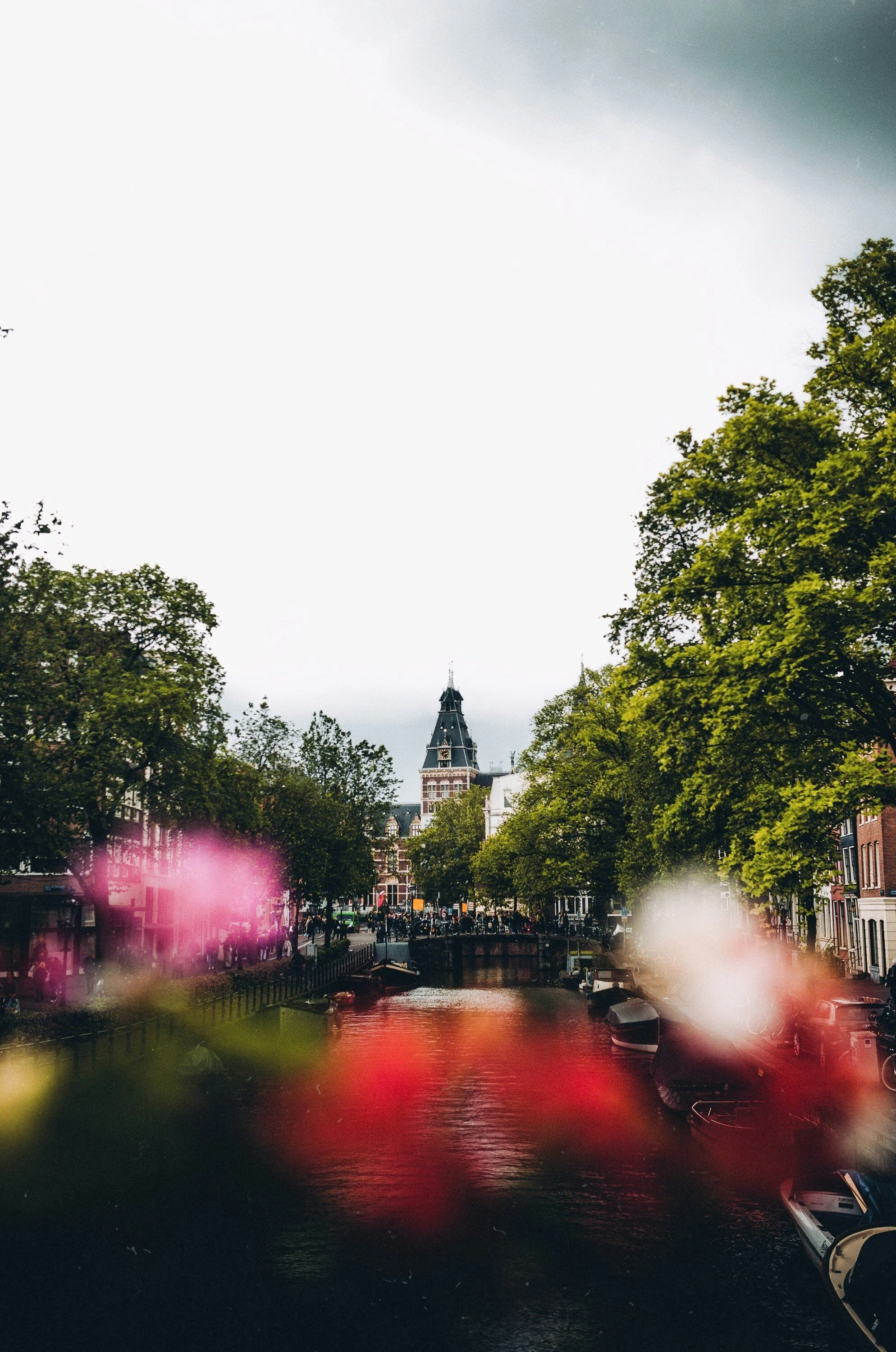
This Futures Field Trip was designed as part of a broader Sustainability Futures learning journey, giving participants a chance to experience Amsterdam as a living laboratory where experimentation and forward-looking policy meet everyday life.
Approach
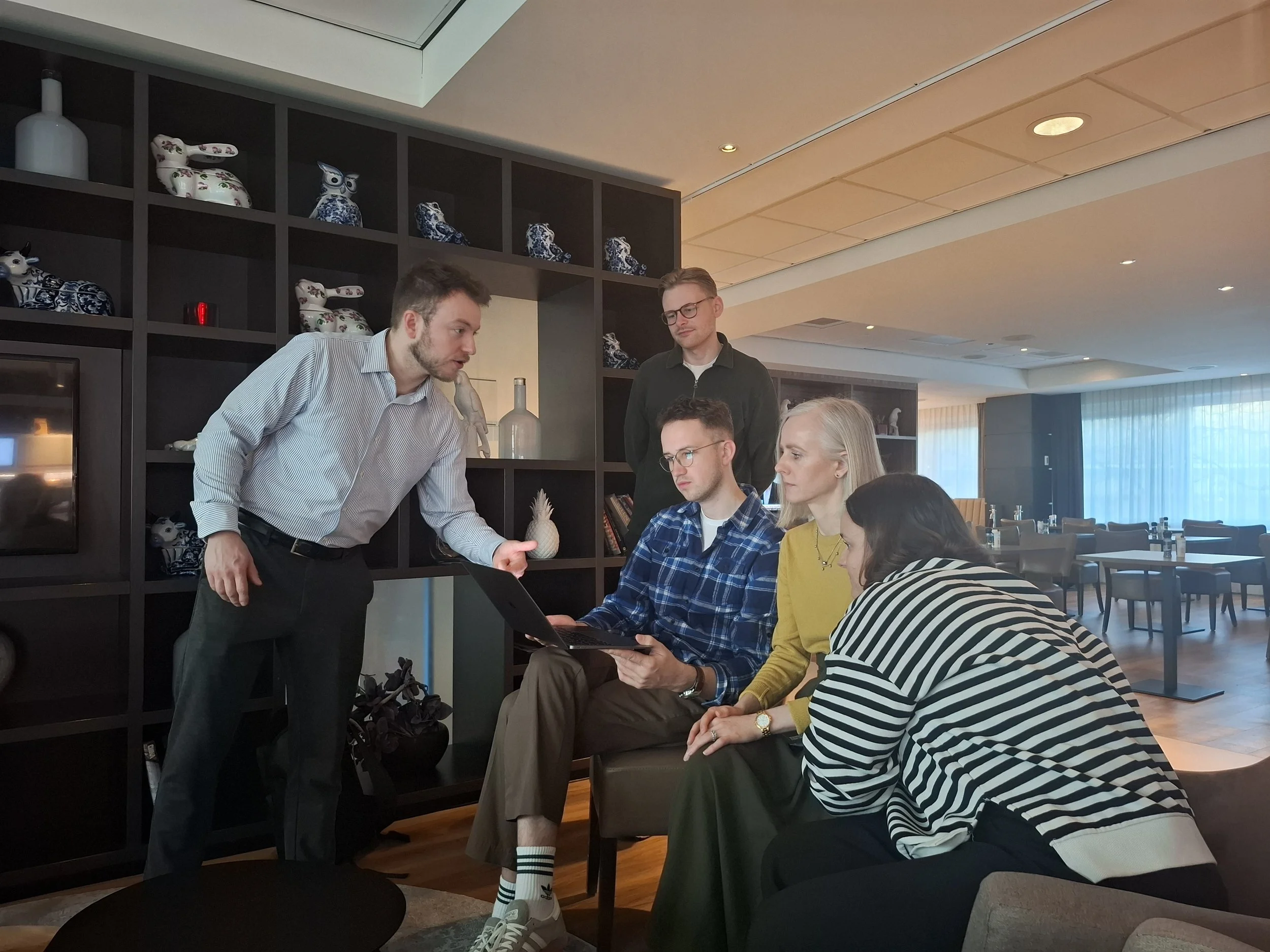
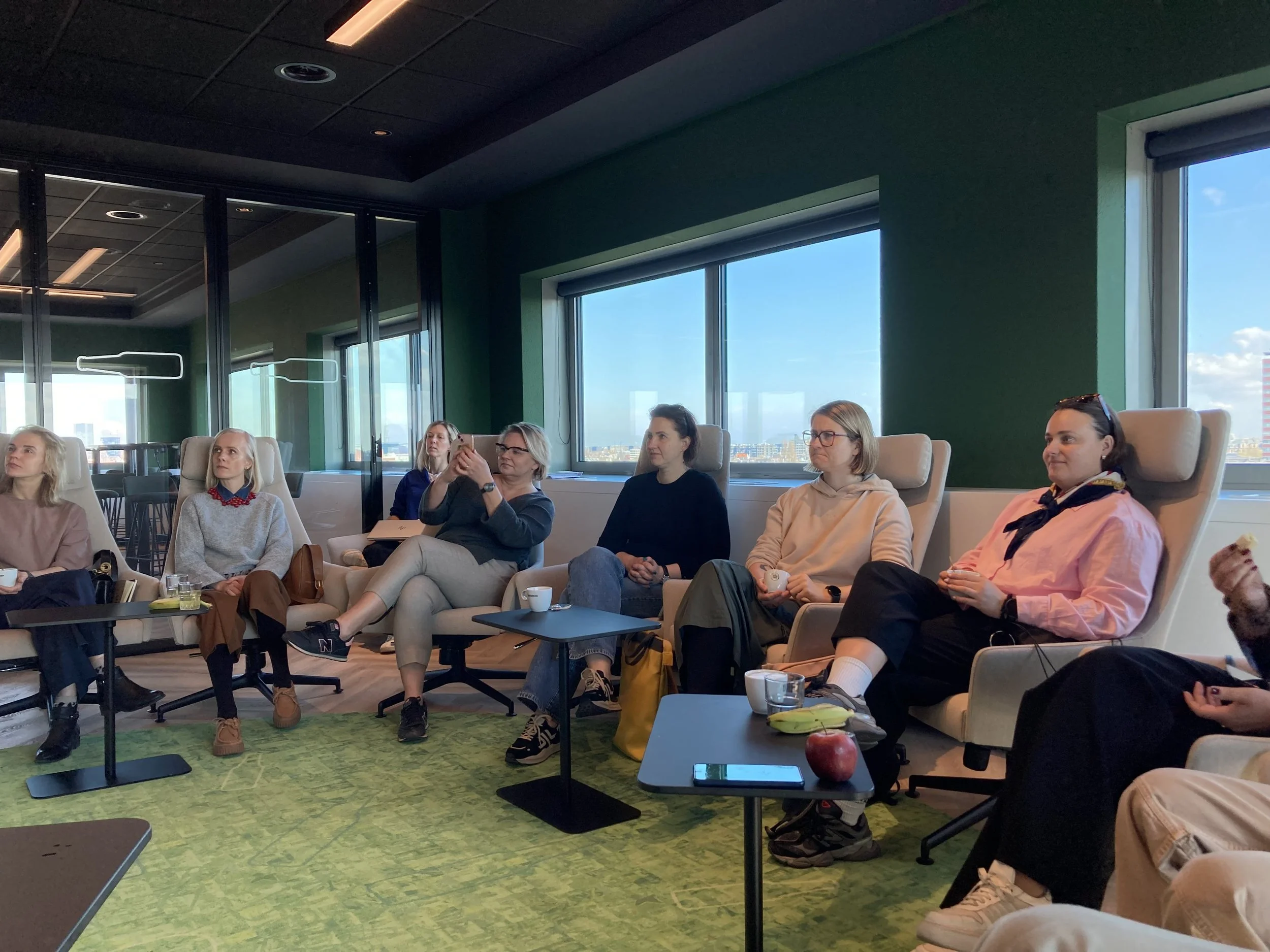
We curated a three-day, multi-stakeholder program combining site visits, expert conversations, reflection, and futures-driven tools. Participants explored themes spanning urbanism, community, regeneration, mobility, circularity, governance, participation, wellbeing, and resilience, using the city as a lens for understanding systemic change.
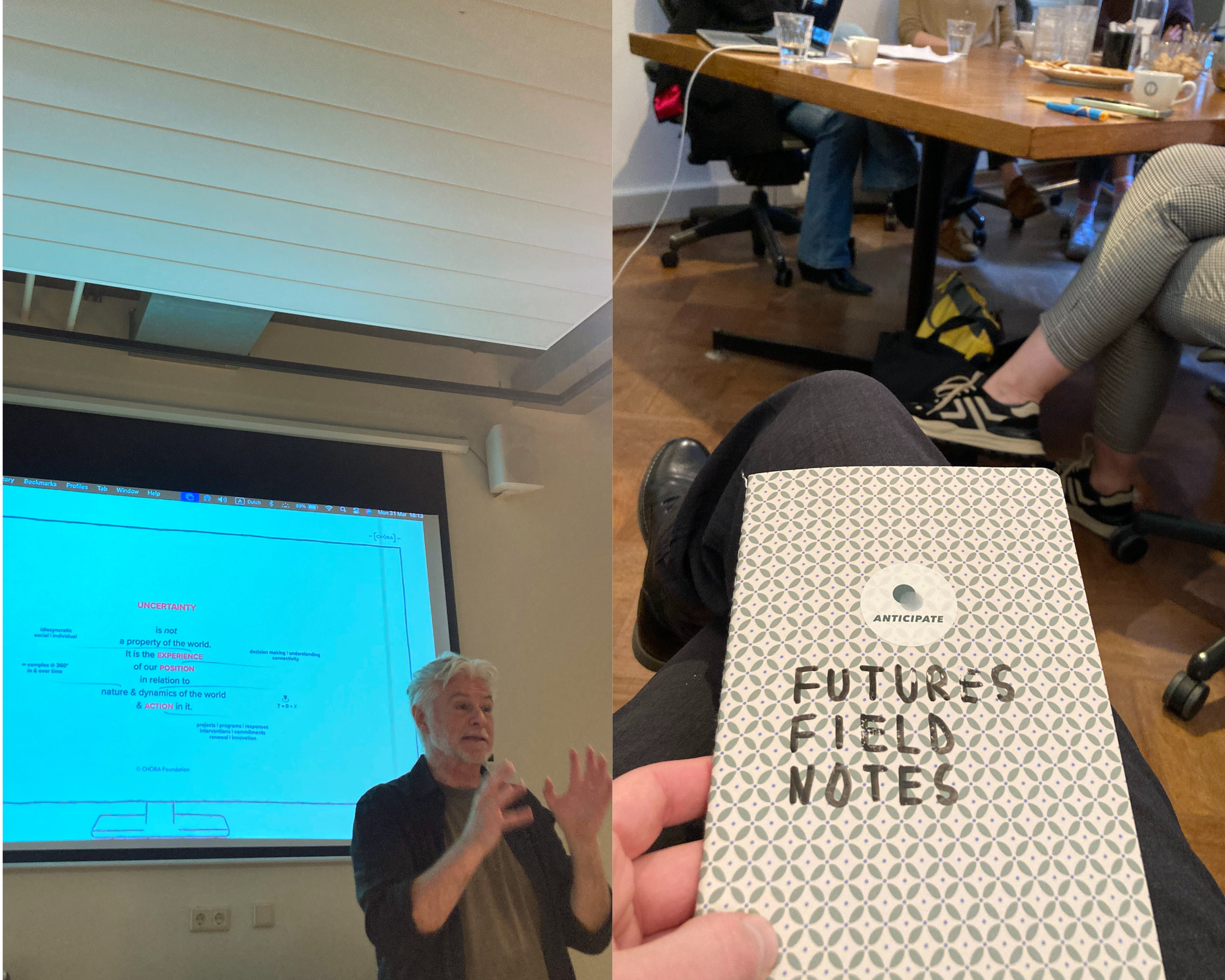
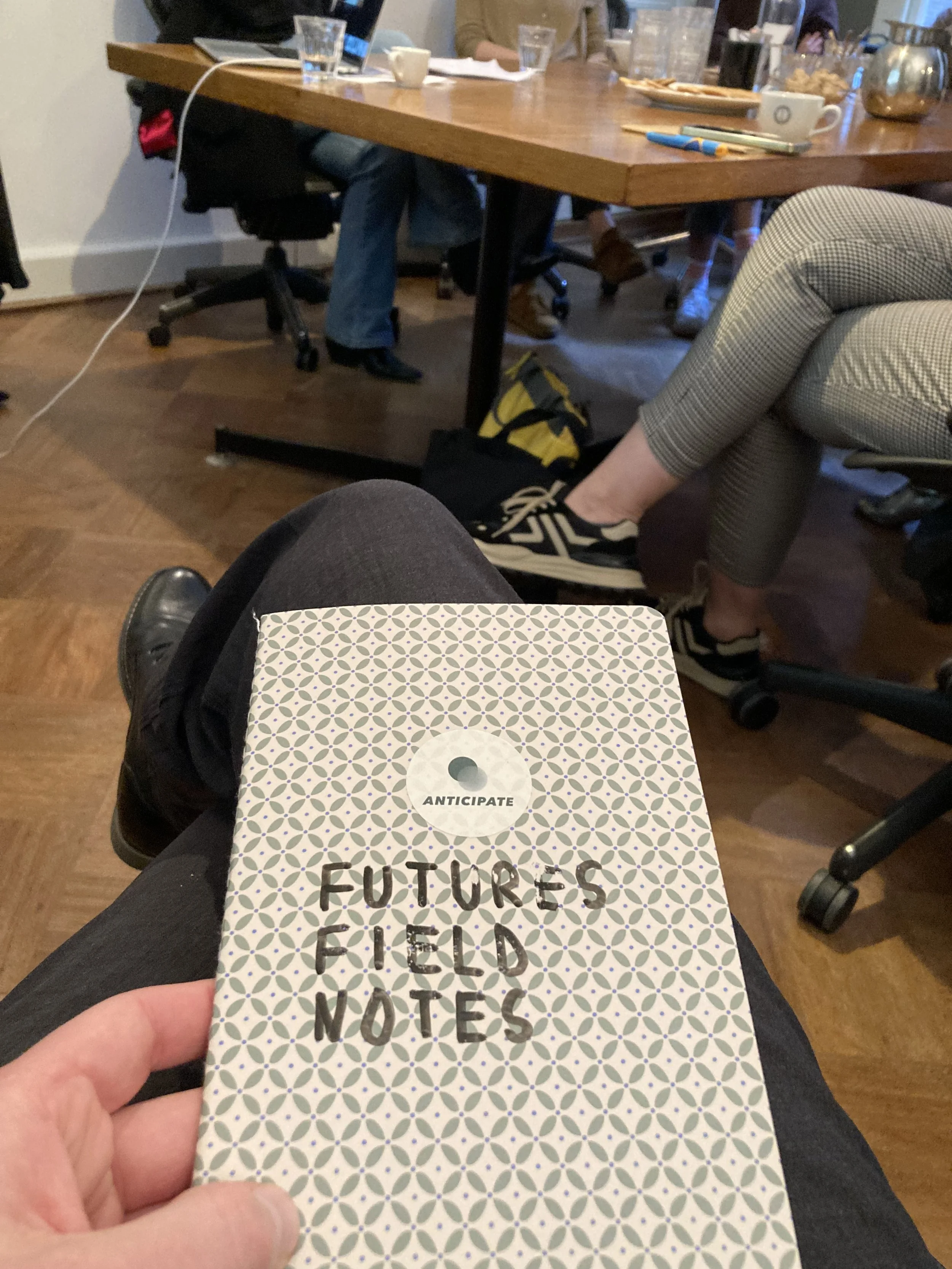
A key feature of the trip was the use of Futures Field Notes, handed out at the start to support observation, note-taking, and translation of insights into participants’ own contexts.
Program highlights
Day 1: Agencies, systems work, and speculative practice
Kick-off breakfast and framing of the learning goals, including distribution of signal books.
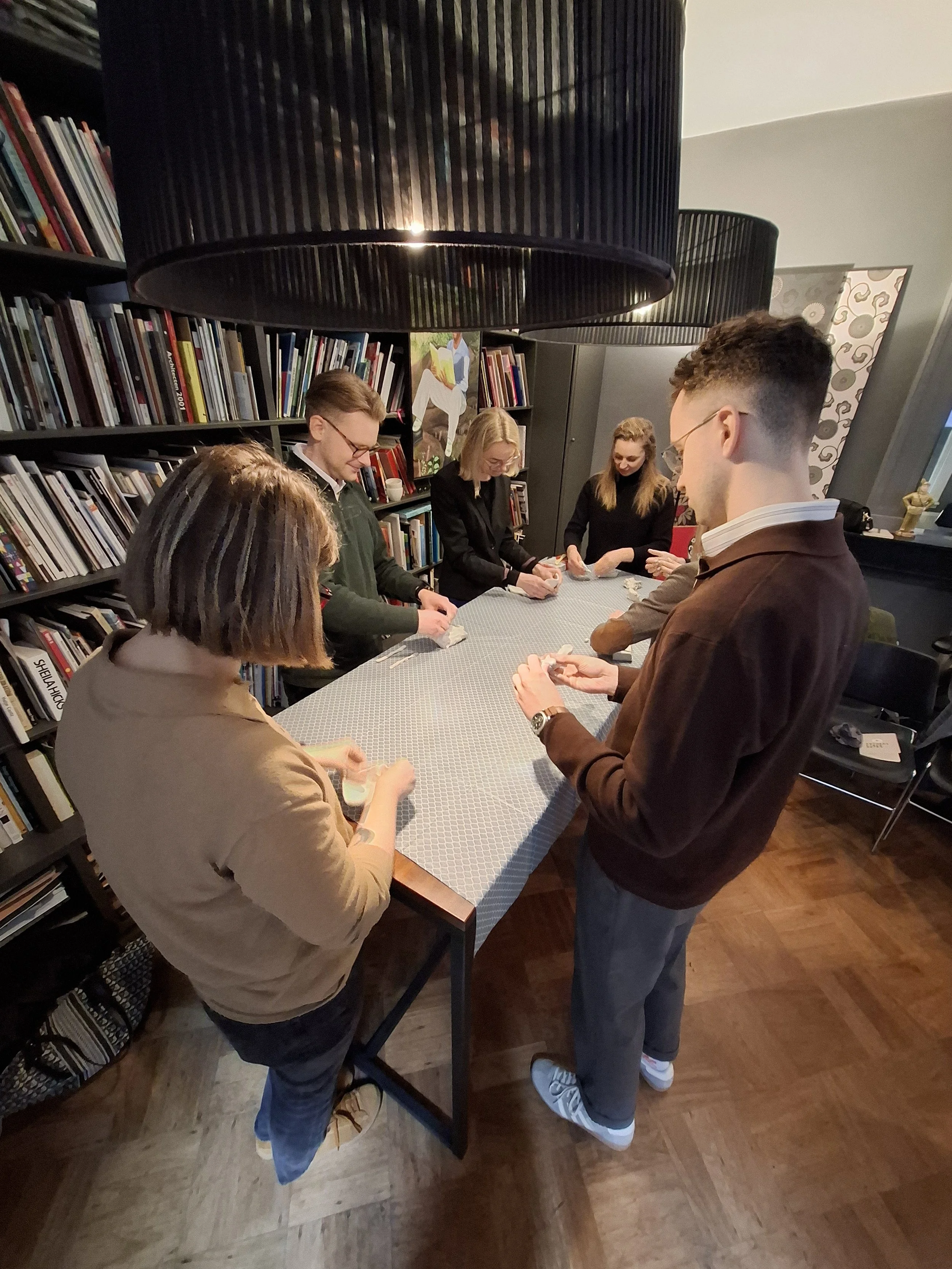
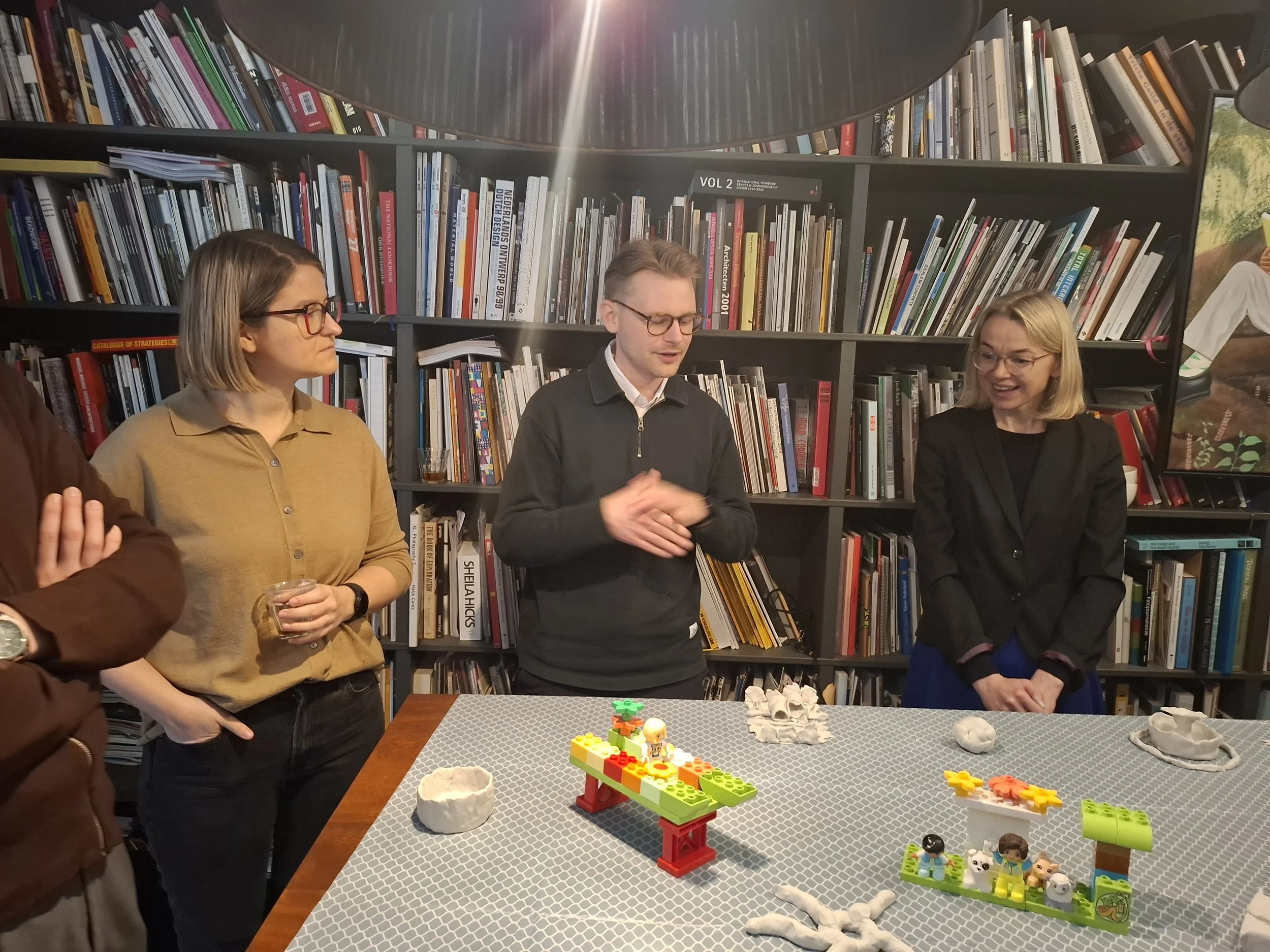
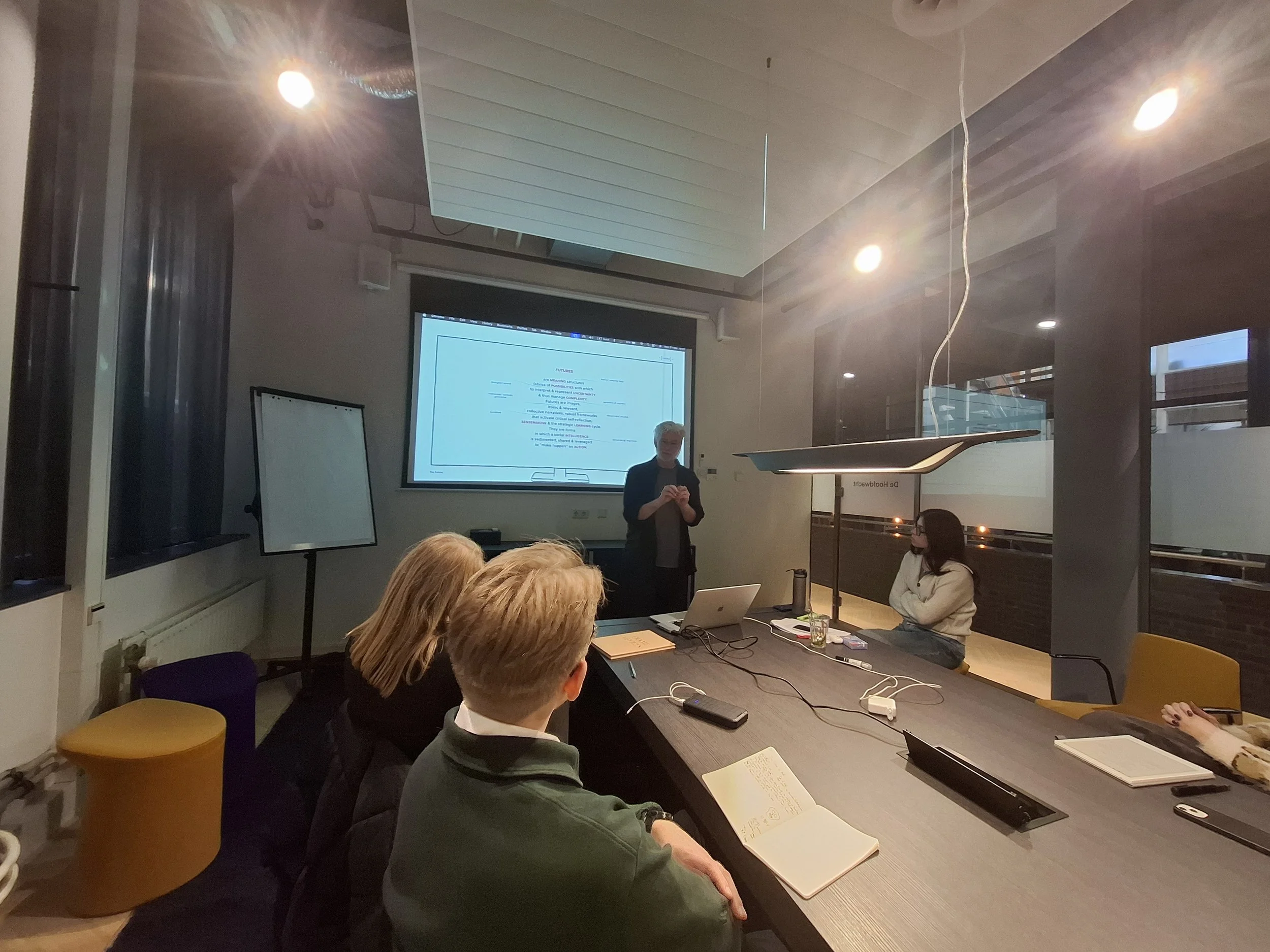
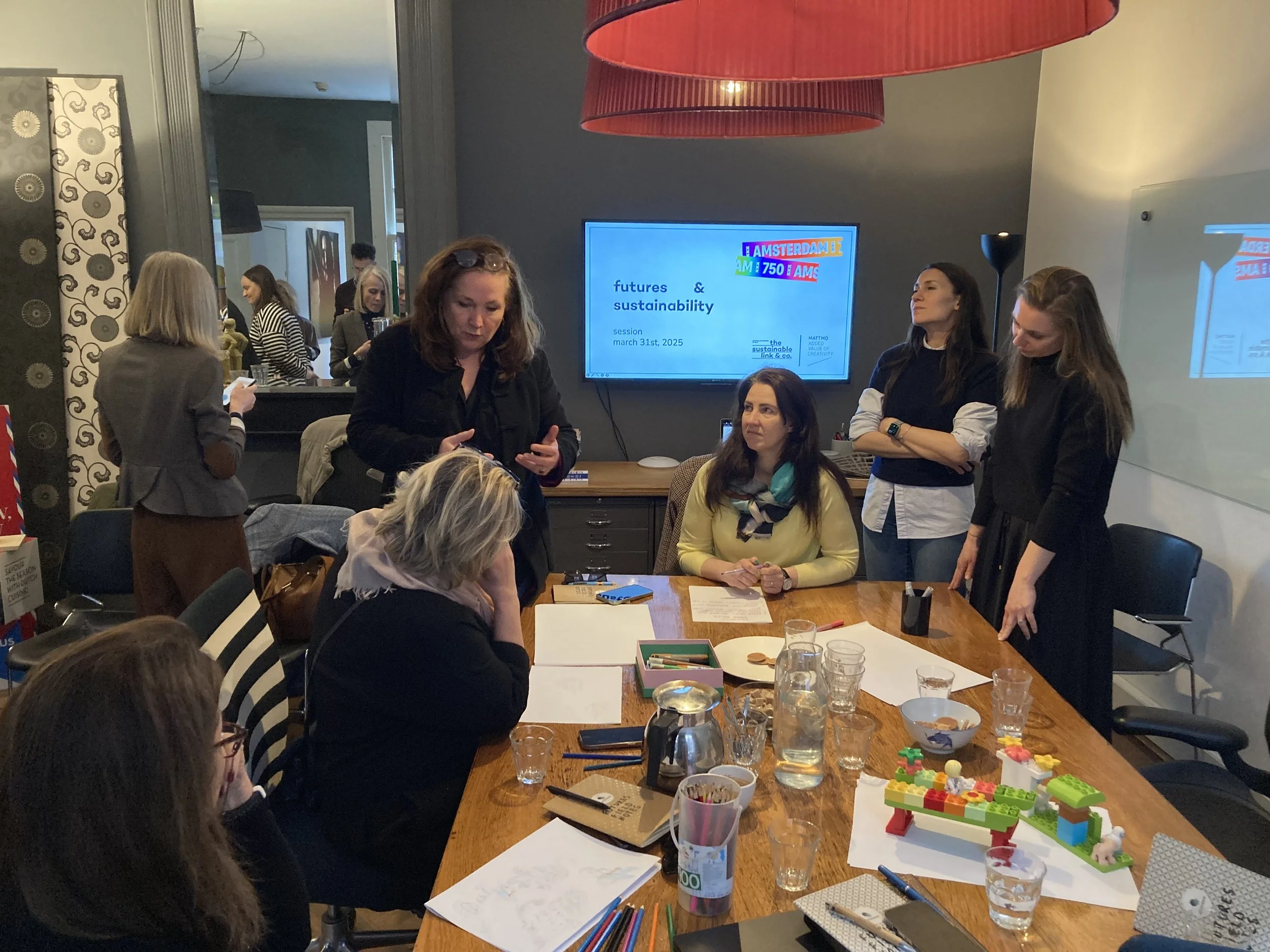
A Speculative Futures Workshop hosted by Alba Tiley (Sustainable Link & Co) and Monique Mulder (Mattmo Creative).
Lunch dialogue with futurists Karolina Thakker (Happy Futures Lab) and Julieta Matos-Castaño (Futures Compass).
Afternoon visit to Haarlem, with an optional stop at Teyler’s Museum, followed by a session with Luca Gatti (CHORA Foundation).
Day 2: How large organizations work with sustainability, innovation, and circularity
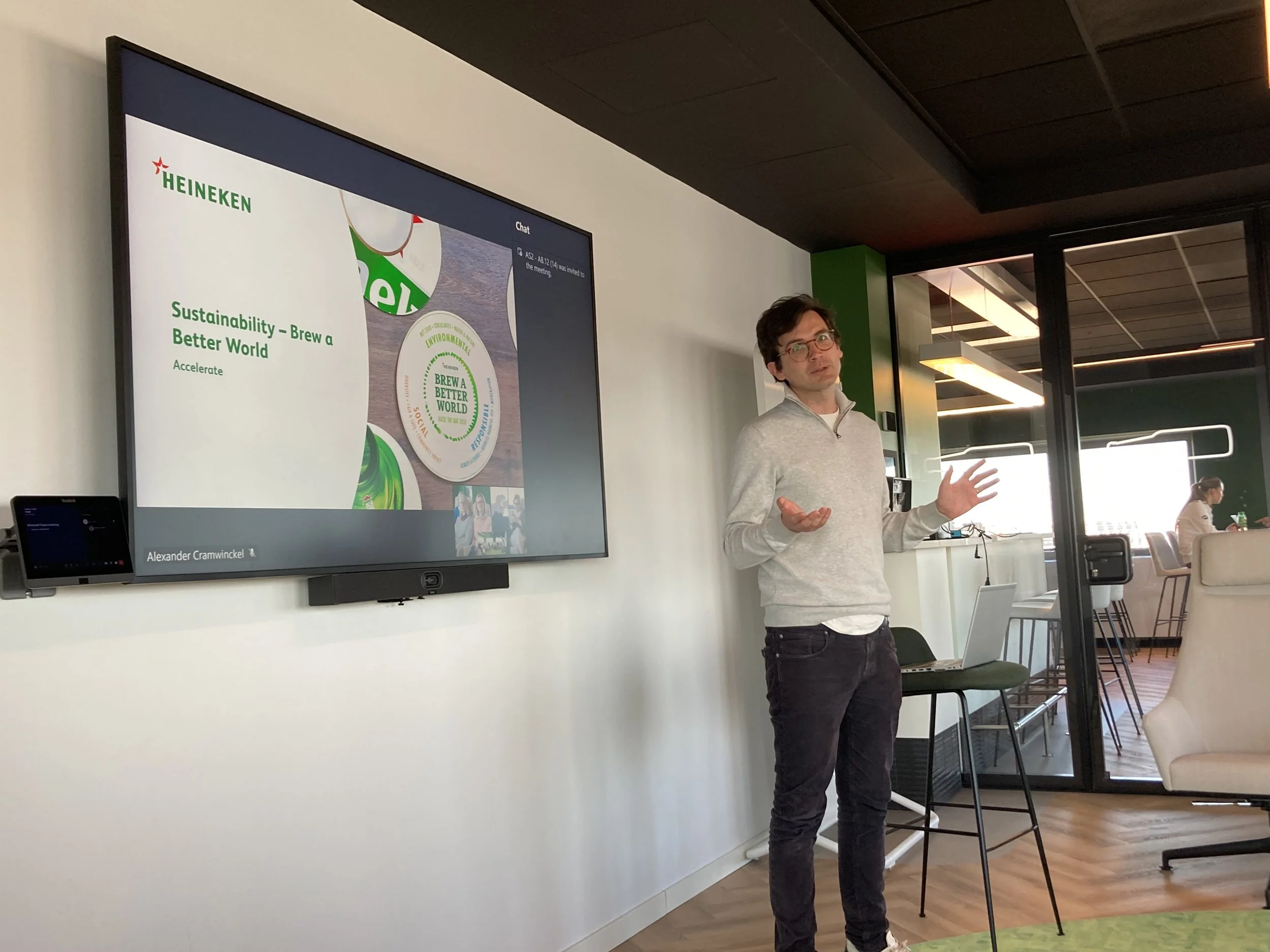
Visit to Heineken with Alexander Cramwinckel (Global Sustainability & Circularity Manager), focused on strategic initiatives and long-term thinking.
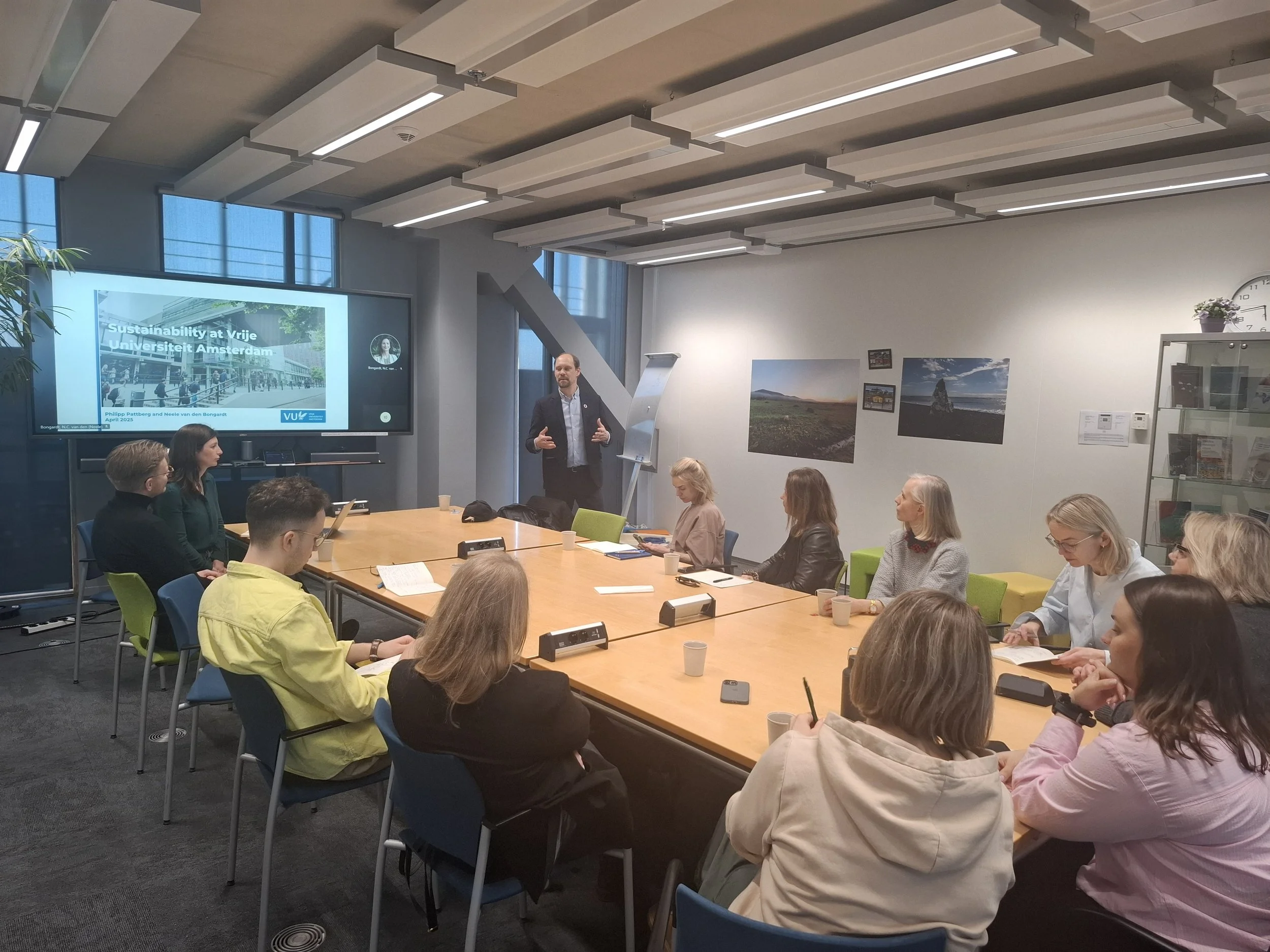
Academic and governance perspectives with Philipp Pattberg (Amsterdam Sustainability Institute, Vrije Universiteit).
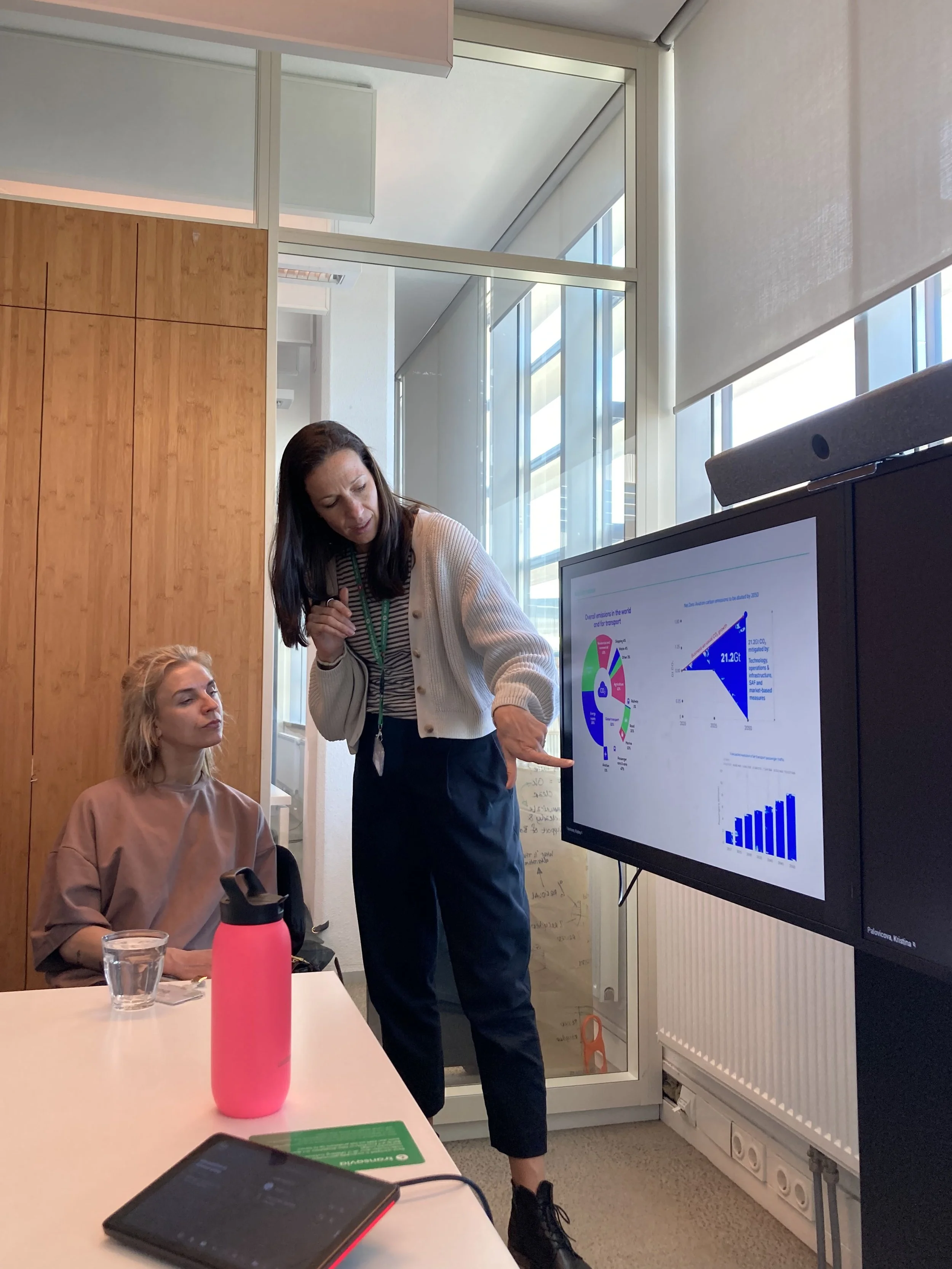
Innovation and implementation perspectives with Kristina Palovicova (Transavia).
Built-in free time for participants to explore, reflect, and connect dots across visits.
Day 3: Transition management and global foresight
Breakfast session with Daan Sillen (RVO – Netherlands Enterprise Agency) on transition management and sustainability from a government perspective.
An online session with Paul Epping (Xpotential; Millennium Project Netherlands Node) exploring global foresight and long-term thinking.
Wrap-up and departure after lunch.
Throughout the trip, participants were guided by a set of reflection questions, including how they define sustainability in their own context, what they are most curious to learn, and how to translate observations into practice back home.
Outcomes
1) A grounded view of sustainability in practice
Participants experienced how sustainability work differs across agencies, foundations, corporates, academia, and government — and how those differences shape what becomes possible.
2) New signals, new questions, sharper judgement
The signal books and reflection prompts helped participants capture emerging practices, notice tensions, and turn observations into better questions they can bring into strategy, policy, and innovation work.
3) Actionable inspiration, instead of just exposure
The trip was designed to bridge insight and application: to help participants connect what they saw in Amsterdam to their own roles, whether in business, academia, or the public sector.
Get in touch
Arrange a Futures Field Trip to get an inspiring and innovative way to a experience an inspiring city with cutting-edge ideas!
Arrange a Futures Field Trip to get an inspiring and innovative way to a experience an inspiring city with cutting-edge ideas!
Themes