Circular Thinking Across a Global Beverage Supply Chain
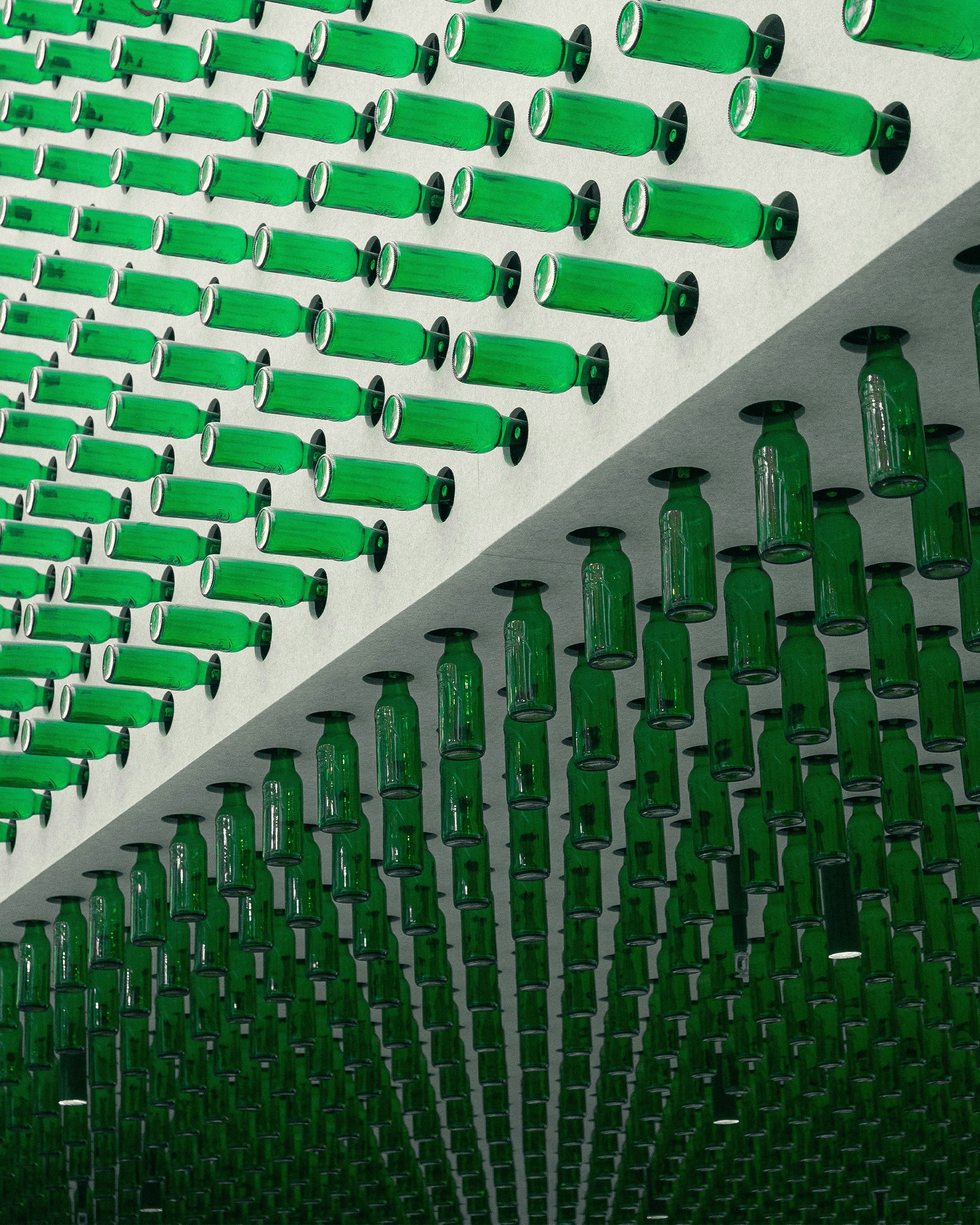
Foresight input for Heineken on circularity, innovation, and behaviour change
Bringing a longer-term, systems-oriented perspective into a strategic initiative exploring reuse, return behaviours, and the role of brands in circular transition.
Challenge
Circularity is easy to agree on in principle and hard to execute in practice, especially at global scale. For beverage companies, the shift toward reuse and return systems is not only a packaging question. It touches logistics, consumer habits, incentives, infrastructure, and trust. The transition requires coordination across actors who don’t share the same timelines, business models, or success metrics.
Heineken is pushing forward on circularity, including through its work with the Ellen MacArthur Foundation, and needed perspectives that could connect circular design to real-world adoption: what makes return systems stick, where friction builds, and how circular ambitions translate into innovation and long-term value creation.
Approach
ANTICIPATE contributed expert foresight and innovation perspectives through an interview as part of Heineken’s strategic circularity initiative. The contribution focused on linking long-term systems change to practical levers that can be acted on today, particularly where innovation depends on behaviour change.
Topics explored included:
Circular innovation and reuse: How circular thinking can expand innovation beyond materials into services, systems, and experiences.
Behavioural design for return systems: How habits form (and fail), what makes participation intuitive, and which frictions matter most.
The role of brands in system redesign: How trust, narrative, and customer experience can enable adoption, and where credibility becomes a constraint.
Value creation over time: How circular strategies can be framed as long-term competitiveness, not only sustainability compliance.
Outcomes
1) Strategic input used for internal education
Our perspectives supported internal learning by helping teams articulate circularity as a systems challenge — with implications for innovation, consumer experience, and organisational decision-making.
2) Sharper focus on behavioural levers
The contribution highlighted where reuse succeeds or breaks down in everyday life, and what it takes to design return systems that people actually use.
3) Support for a broader reuse vision
By connecting circularity to trust-building and system coordination, the input helped reinforce Heineken’s direction of travel toward reuse and its broader circular ambitions, including its collaboration with the Ellen MacArthur Foundation.
Get in touch
Get inspiring insights through our Talks & Thought Leadership!
Get inspiring insights through our Talks & Thought Leadership!

Themes