2. Urban Transformation
Cities are evolving into epicenters of innovation, migration, and sustainable growth, transformed by technology and the search for opportunity.

Cities are transforming as engines of economic growth and innovation, but they must also be reimagined as healthier living environments, both for humans and biodiversity. Rise in lifestyle-driven disease and climate instability means that the idea of continuous urban growth can no longer be taken for granted.
While rapid urban growth continues, especially across the Global South, cities everywhere faces pressures on resources, infrastructure, and the basic promise of affordability and livability. To stay resilient, cities need more than just smart tech and green spaces, they need bold shifts in planning and policy that prioritize wellbeing, equity, and adaptability.
-
13 African cities will surpass New York in size towards 2100. Lagos (Nigeria), Kinshasa (Democratic Republic of the Congo), and Dhaka (Bangladesh) are projected to exceed 30 million residents each in the year 2100.
[Global Cities Institute (2014), "Global Cities Report"; Visual Capitalist (2018), "The World’s 20 Largest Megacities in 2100"; UN (2024), "World Urbanization Prospects"] -
Cities are shifting strategy from prevention to adaptation, as climate change disrupts weather patterns and resources grow scarce.
From water-scarce regions in Latin America to flood-prone coastal hubs in Southeast Asia, governments and businesses look to prepare for more extreme conditions and health threats. Nature-based solutions like urban forests and floodplains are helping regulate temperatures and prevent disasters. -
Private Sector: Designing for Reducing Friction
As congestion, mental stress, and infrastructure strain intensify, products and services that reduce friction, like micro-mobility, AI-optimized commuting, or mental wellness platforms, will find growing demand.
Public Sector: Equitable Infrastructure as a StrategyInclusion builds legitimacy. Investments in transit, digital access, and clean air must be targeted toward underserved communities (not just economic centers) to address inequality and rebuild civic trust.
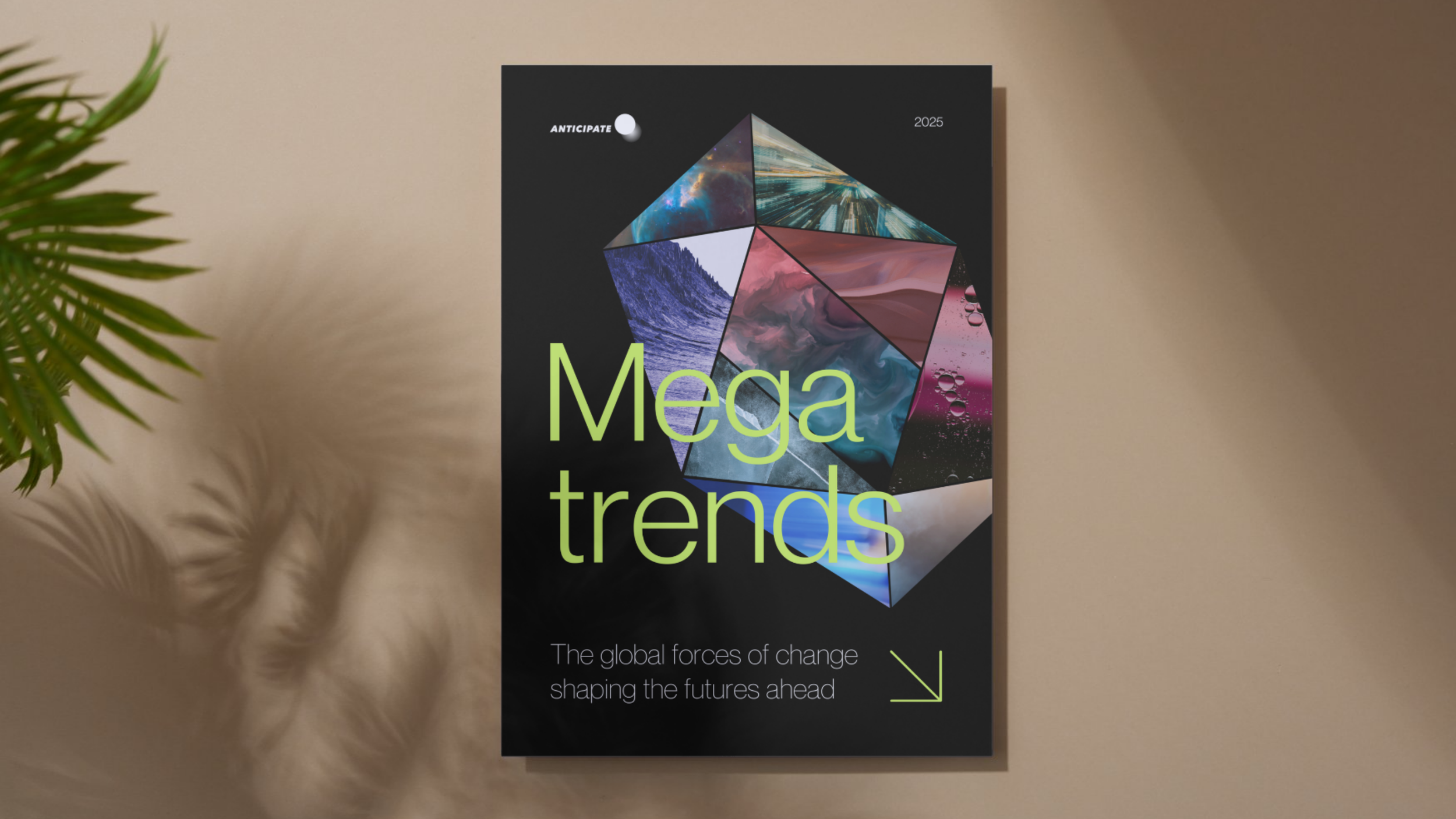
Learn much more about Urban Transformation, the other seven Megatrends and what they could mean for you. Get our report for free: